A patient describing chest pain in a language the triage nurse does not speak is one of the most dangerous moments in a hospital. It happens far more often than most people realize, and the consequences show up in longer stays, repeat visits, and sometimes missed diagnoses.
The Scale of the Problem in Modern Clinics
Millions of patients each year are treated in a language that is not their first one. Clinics in large cities regularly see patients who speak a dozen or more languages in a single week, and staffing a fluent interpreter for every one of them is simply not realistic. The gap gets filled unevenly, sometimes with a bilingual family member, sometimes with a phone interpreter line, and sometimes with nothing at all.
Why Family Members Are Not a Safe Substitute
Pulling in a patient's child or spouse to interpret feels efficient in the moment, but it introduces real risk. Family members often soften bad news, skip embarrassing details, or simply do not know the medical vocabulary needed to translate a diagnosis accurately. Studies comparing ad hoc interpreting to trained medical interpreters consistently find higher error rates in the former, including errors that change treatment decisions.
Where Certified Translation Becomes Essential
Written materials carry their own risk. Discharge instructions, medication labels, and consent forms need to be exact, not approximate, which is why hospitals increasingly rely on online certified translation services for anything a patient needs to read and act on later at home. A slightly wrong dosage instruction on a translated label is not a minor slip, it is a patient safety issue.
Cross-Border Care and Legal Paperwork
Patients traveling abroad for treatment, or immigrants navigating a new country's health system, often need medical records translated for legal and insurance purposes. When those records touch on liability, custody, or insurance disputes, clinics turn to french legal translation services to make sure the translated documents will actually hold up if a dispute ends up in front of a regulator or a court.
Hospital Systems Are Building Better Workflows
Larger hospital networks are adopting a proper translation workflow management software to route documents to the right certified translator, track turnaround times, and keep a clear record of who translated what and when. That kind of structure matters most during audits, when a hospital needs to show regulators exactly how a translated consent form was produced.
The Cost of Getting It Wrong
Research published through the World Health Organization has linked language barriers in healthcare to higher rates of preventable readmission, since patients who do not fully understand their discharge instructions are more likely to make mistakes with medication or miss follow-up appointments entirely. The financial cost to hospitals is real, but the human cost, patients quietly not understanding their own care plan, is the bigger concern for most clinicians.
Telehealth Adds a New Layer of Complexity
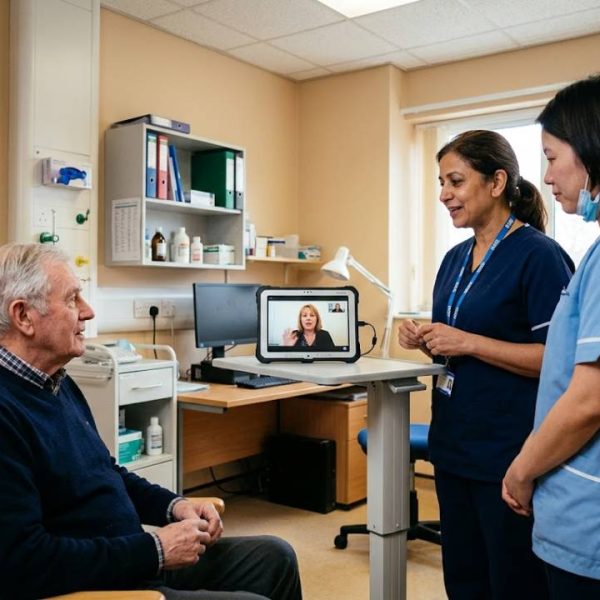
Remote appointments were supposed to make care more accessible, but they have made language access harder in some ways. A video call interpreter has to manage lag, poor audio, and a patient who may be unfamiliar with the platform, all while translating sensitive medical information in real time. Clinics running high volumes of telehealth visits now build interpreter access directly into the scheduling system, rather than scrambling for one after a visit has already started.
Training Staff to Recognize the Gap
Even well-resourced clinics sometimes fail simply because front-desk staff do not flag a language need early enough. Training programs that teach intake staff to ask a simple preferred-language question at check-in, rather than assuming based on appearance or accent, have shown measurable improvements in getting patients the right interpreter before a visit even begins. It is a small process change with an outsized effect on care quality.
What Well-Run Clinics Do Differently
Clinics that handle this well tend to share a few habits. They screen for language needs at intake rather than waiting until a problem arises mid-visit. They keep a roster of qualified medical interpreters on call rather than relying purely on staff who happen to speak a second language. And they treat translated patient materials as clinical documents that need review, not paperwork to rush through. Research summarized on PubMed Central backs up what many nurses already know from experience: consistent interpreter access measurably improves patient comprehension and follow-through.
A Fixable Problem
None of this requires exotic technology or a massive new budget line. It requires clinics to treat language access as part of clinical safety rather than an administrative afterthought. As patient populations keep growing more diverse, the hospitals that get this right early will likely see it show up in fewer readmissions and better outcomes across the board, and fewer late-night calls from patients who quietly never understood their own care plan in the first place.